matchbuzzfeed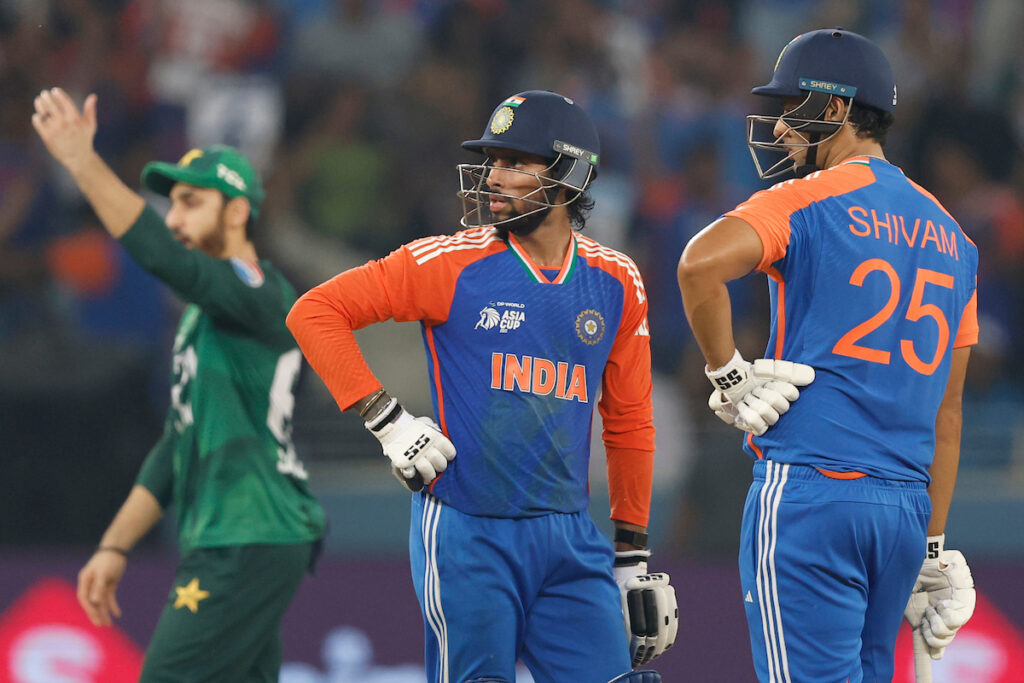
Tilak Varma and Shivam Dube of India during the Final match of the DP World Asia Cup 2025 between India and Pakistan at the Dubai International Stadium, Dubai, United Arab Emirates, on 28 September 2025. Photo by Deepak Malik / CREIMAS for Asian Cricket Council
The proliferation of T20 leagues has created unprecedented opportunities for players to earn a living from cricket. From the IPL and Big Bash to the CPL, PSL, BPL and the Hundred, almost every month of the year now features a high‑profile tournament. While this growth has broadened the sport’s appeal and financial base, it has also sparked a debate about player burnout and the sustainability of the cricket calendar. By 2025, several top players had publicly acknowledged exhaustion. England all‑rounder Sam Curran withdrew from the PSL to focus on recuperation, while Australian opener David Warner announced he would limit his participation in overseas leagues to prolong his international career.
The issue stems from more than just physical fatigue. Constant travel, quarantine requirements (although reduced post‑pandemic) and the pressure of switching teams and roles take a mental toll. Players often feel obligated to honour lucrative contracts, even when their bodies send warning signals. Franchises, competing for viewer eyeballs, tend to play their star performers in every game. National boards, meanwhile, grapple with scheduling conflicts; releasing players for domestic leagues can weaken national squads. This tension came to a head when West Indies all‑rounder Andre Russell chose the CPL over a tour of Pakistan, provoking a backlash from fans and board officials alike.
Solutions are being explored. The ICC has proposed creating clear windows for major T20 leagues, thereby reducing overlap with international cricket. This approach has precedent: the global football calendar designates specific months for club and international fixtures. However, implementing a similar system in cricket is complicated by the number of stakeholders and differing domestic seasons. Some boards, such as Cricket Australia, have introduced central contracts that require players to prioritise international cricket and limit their franchise commitments. The England and Wales Cricket Board adopted a hybrid model, allowing players to participate in two leagues per year while ensuring rest periods between.
Another angle involves player associations negotiating minimum rest periods into contracts. The Federation of International Cricketers’ Associations is lobbying for mandatory off‑season time, arguing that it will extend careers and improve performance. Sports scientists support this, citing data on injury rates and the benefits of periodisation. Some players have taken matters into their own hands; New Zealand captain Kane Williamson sits out certain T20 leagues to spend time with family and work on his Test game. In India, the BCCI has clamped down on unapproved leagues, restricting participation to prevent overexposure and ensure that domestic cricket retains significance.
From a broadcast and commercial perspective, there is recognition that oversaturation risks diminishing returns. Viewership numbers for some leagues have plateaued, and advertisers are wary of consumer fatigue. Cricket boards must balance revenue generation with maintaining product quality. A potential compromise is rotating star players, marketing new faces and focusing on storytelling around rivalries and local talent. In the long term, the health of franchise cricket may depend on sustainable scheduling that respects players’ physical and mental well‑being. As more players speak out about burnout, pressure will mount on administrators to act. Cricket’s globalisation has brought newfound wealth and excitement; safeguarding the humans who provide that entertainment is the next frontier.